

.webp)
System vs Integration Testing: How to Protect Your Los Angeles Startup From Costly Glitches
Technology firms situated in Los Angeles need to adhere to clearly articulated lifecycles of software development when creating applications with secure, scalable performance. The higher the level of complexity with respect to an Electronic Application, the more problems associated with Functionality Errors, Performance Problems and Security Vulnerabilities may arise, resulting in diminished user experience, increased compliance issues, as well as, increased maintenance expense. For SaaS companies and emerging tech companies, software testing is no longer optional—it is a core business investment.
Within software testing in software engineering, system testing and integration testing are two essential testing concepts. While both contribute to software quality assurance, they serve different purposes at different stages of development. Understanding the difference between these types of testing helps teams apply the right tools, reduce regressions, and confidently scale applications.
Understanding System Testing
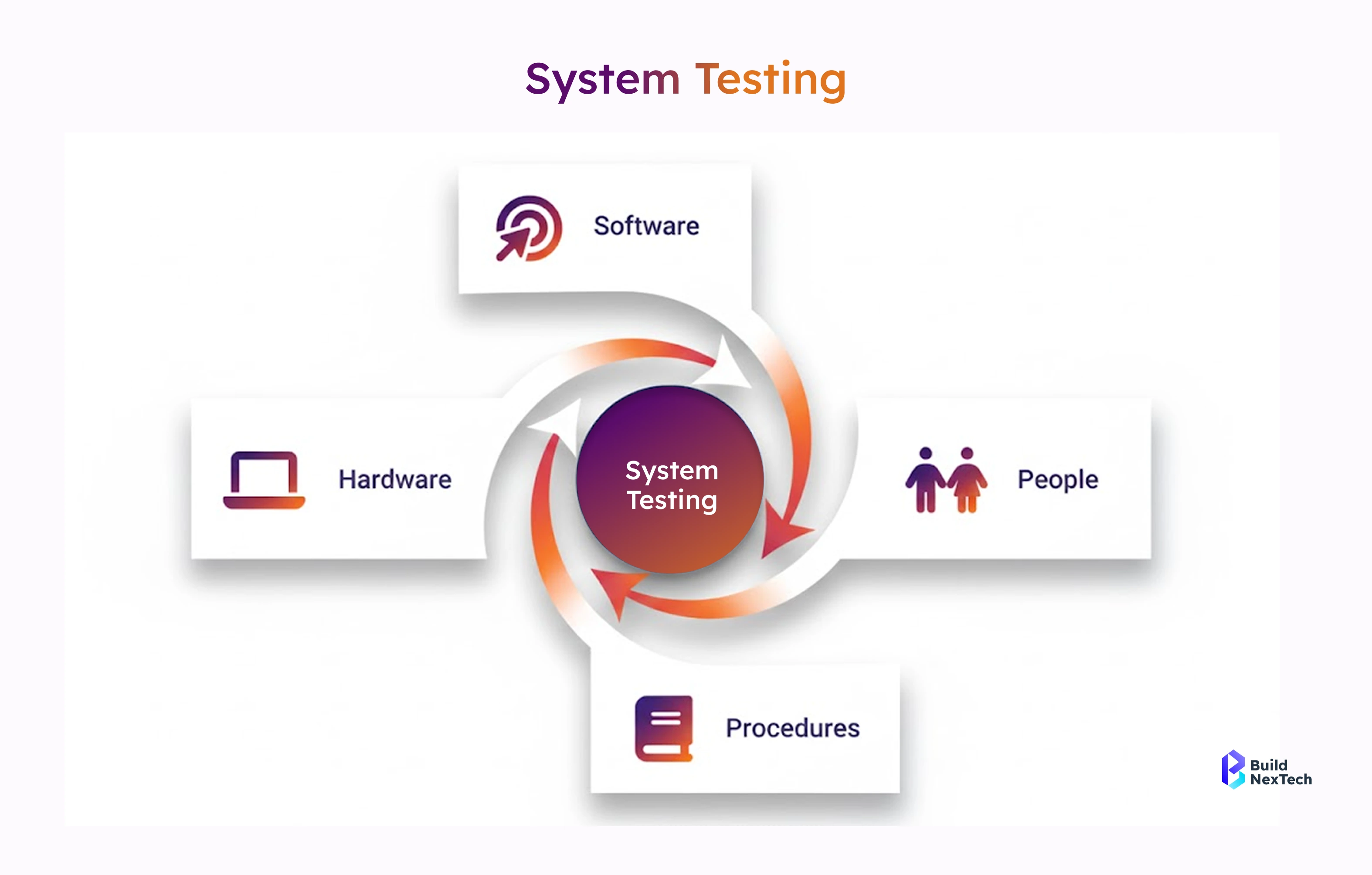
System testing focuses on validating the complete application as a single unit before release. It ensures that business workflows, security controls, performance behavior, and compliance requirements function correctly under real-world conditions. As part of software testing fundamentals, system testing emphasizes how real users interact with the application rather than how individual components work in isolation.
For Los Angeles businesses operating under HIPAA compliance, GDPR, and other regulatory requirements, system testing plays a critical role in protecting sensitive data, user roles, and system stability at scale.
What Is System Testing?
System testing is the phase of testing where the fully integrated application is validated as a whole against defined functional and non-functional requirements. It is performed after unit testing and integration testing in a production-like environment to ensure the application behaves correctly from an end-user and business perspective.
This stage typically includes:
- Functional testing
- Regression testing and regression tests
- Performance software testing and load/scale testing
- Security testing and security audits
- Localization testing
- User Acceptance Testing (UAT)
System testing checks end-to-end processes across cloud applications, databases, APIs, and external dependencies. This ensures long-term reliability.
Importance of System Testing for Businesses
For businesses in Los Angeles, system testing reduces the risk of production failures and protects customer trust. It ensures applications remain stable during growth, refactors, acquisitions, and feature expansion.
Key benefits include:
- Detecting critical bugs before customer exposure
- Validating security checks and regulatory compliance
- Ensuring smooth end-to-end user journeys
- Reducing costly post-release regressions
- Improving overall user experience and system stability
Industries such as fintech, healthcare, entertainment, and e-commerce depend on system testing to manage compliance pressure and protect app budgets.
Key Tools and Automation Testing Services
Modern system testing relies on automation testing tools combined with selective manual testing. These tools support QA automation services, CI/CD systems, regression coverage, and performance validation.
System Testing Tools
These tools help teams monitor performance, reduce regressions, and validate real-time user experiences before production deployment.
Integrating Tools into Continuous Integration Pipelines
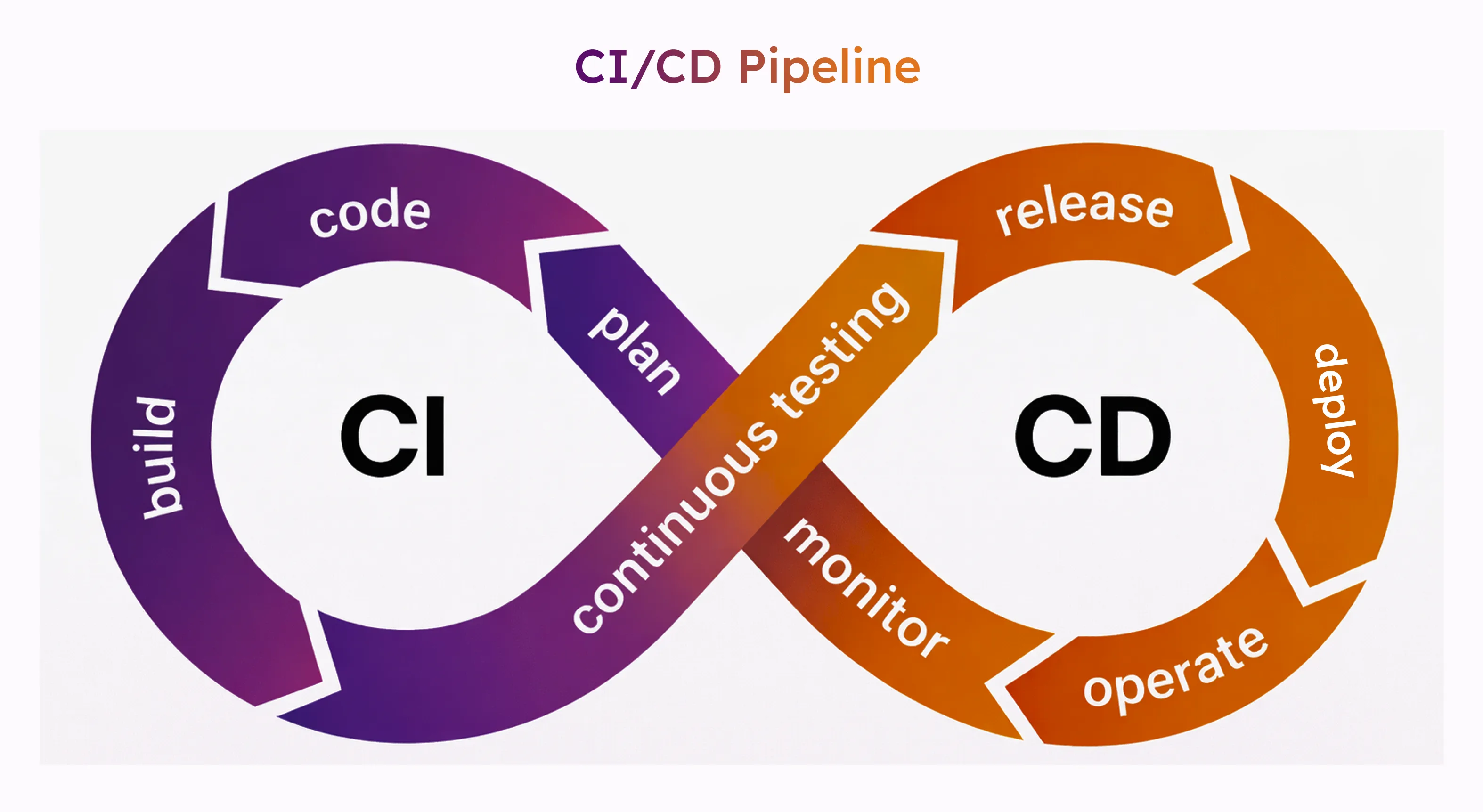
Integration Testing focuses on validating interactions between modules, components, databases, and API integrations. It plays a key role in continuous integration by identifying failures early within CI/CD pipelines, reducing deployment risk and long-term maintenance effort.
In DevOps and DevSecOps environments, integration testing helps automation, monitoring, and fast feedback. It also keeps the system stable and secure.
What is Integration Testing?
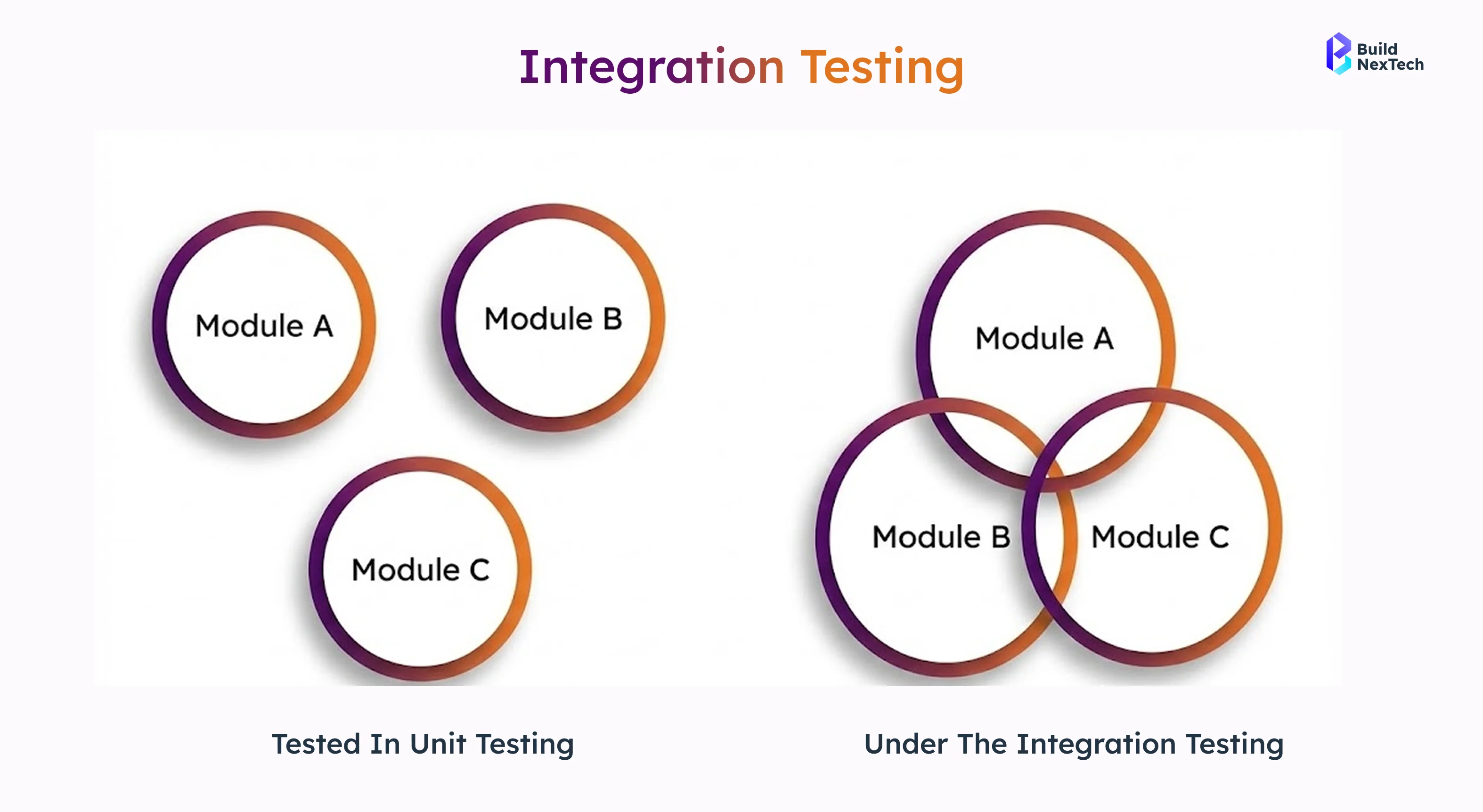
Integration testing checks that modules, components, APIs, and databases work together correctly. It validates data flows, interactions, and communication after unit testing and before system testing.
It commonly includes:
- API testing
- Database and service integration validation
- System integration testing
- Use of mocks and stubs for external dependencies
Unlike a unit test, which validates isolated logic, integration testing focuses on interaction behavior.
Importance of Integration Testing for Businesses
For Los Angeles businesses using cloud-native services, workflow automation platforms, and third-party tools like Zapier, Workato, Microsoft Power Automate, and Make, integration testing is very important. It helps prevent system-wide failures.
Key advantages include:
- Early detection of interface defects and data pipeline issues
- Validation of API integrations and external dependencies
- Reduced regressions during refactors and releases
- Support for shift-left testing and CI/CD pipeline
- Improved ownership between development and QA teams
Integration testing is especially valuable when working with legacy systems or complex application architectures.
What Tools and Techniques Are Used for Effective Integration Testing?
Integration testing relies on lightweight automation frameworks that integrate directly with CI/CD systems and support test-driven development.
Integration Testing Tools
These tools help teams maintain code coverage, reduce regressions, and ensure reliable builds.
System Testing vs Integration Testing
System testing and integration testing serve different roles within the software development lifecycle methodology. Understanding how they differ allows teams to apply the right software testing strategies and avoid redundant or ineffective testing.
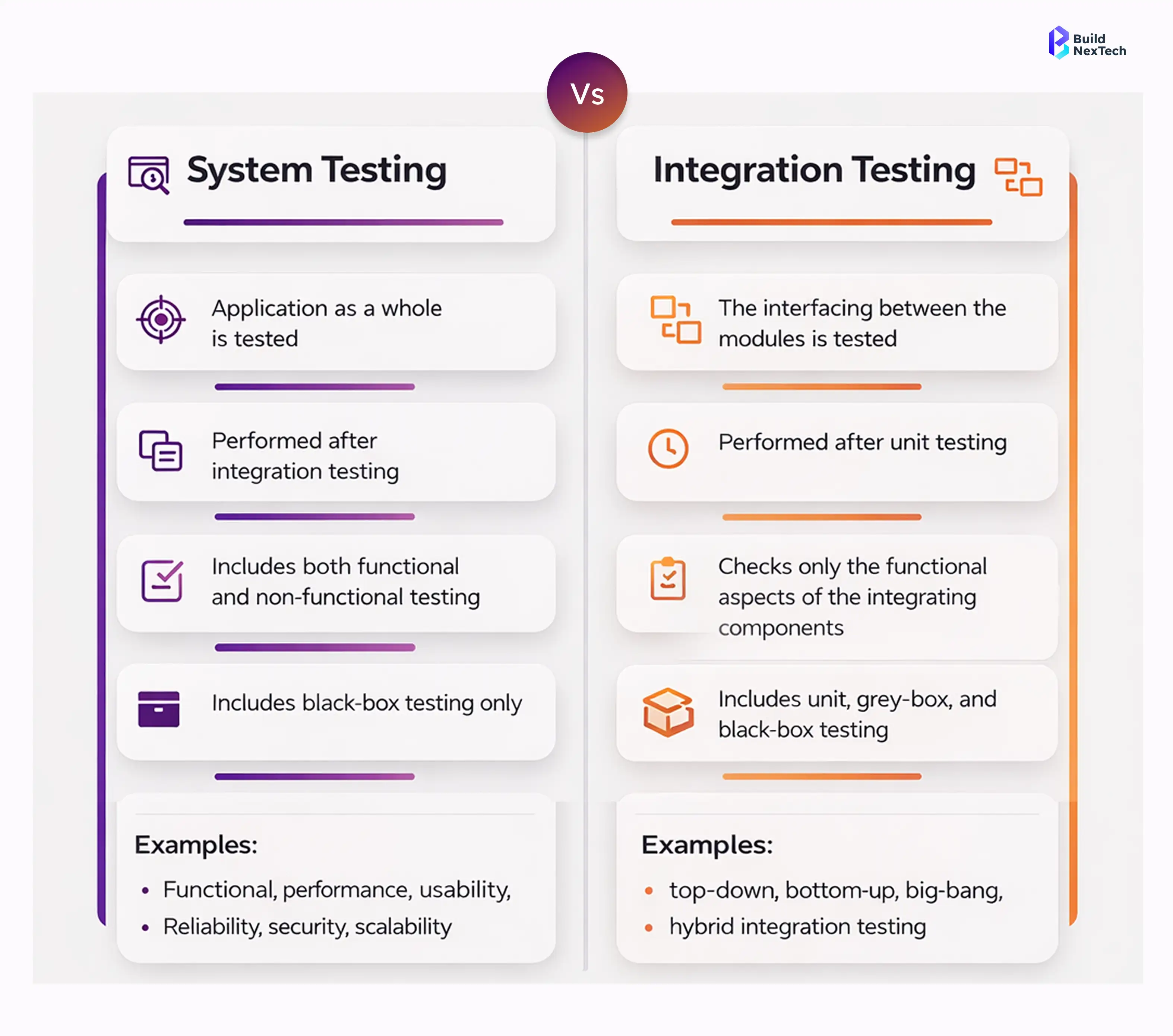
Comparison of Scope, Objective, and Level of Testing
Integration testing focuses on how components communicate, while system testing validates how the application behaves as a complete product.
Why Frugal Testing Makes This Comparison Easier and More Effective
Frugal Testing applies a clear, risk-based approach that separates unit test vs integration test responsibilities and system-level validation. Integration testing is used to validate APIs, data flows, and external dependencies, while system testing is reserved for true end-to-end tests, performance, security, and compliance checks. This structured approach reduces redundant testing, lowers maintenance effort, improves automation efficiency, and aligns Quality Assurance with real business priorities.
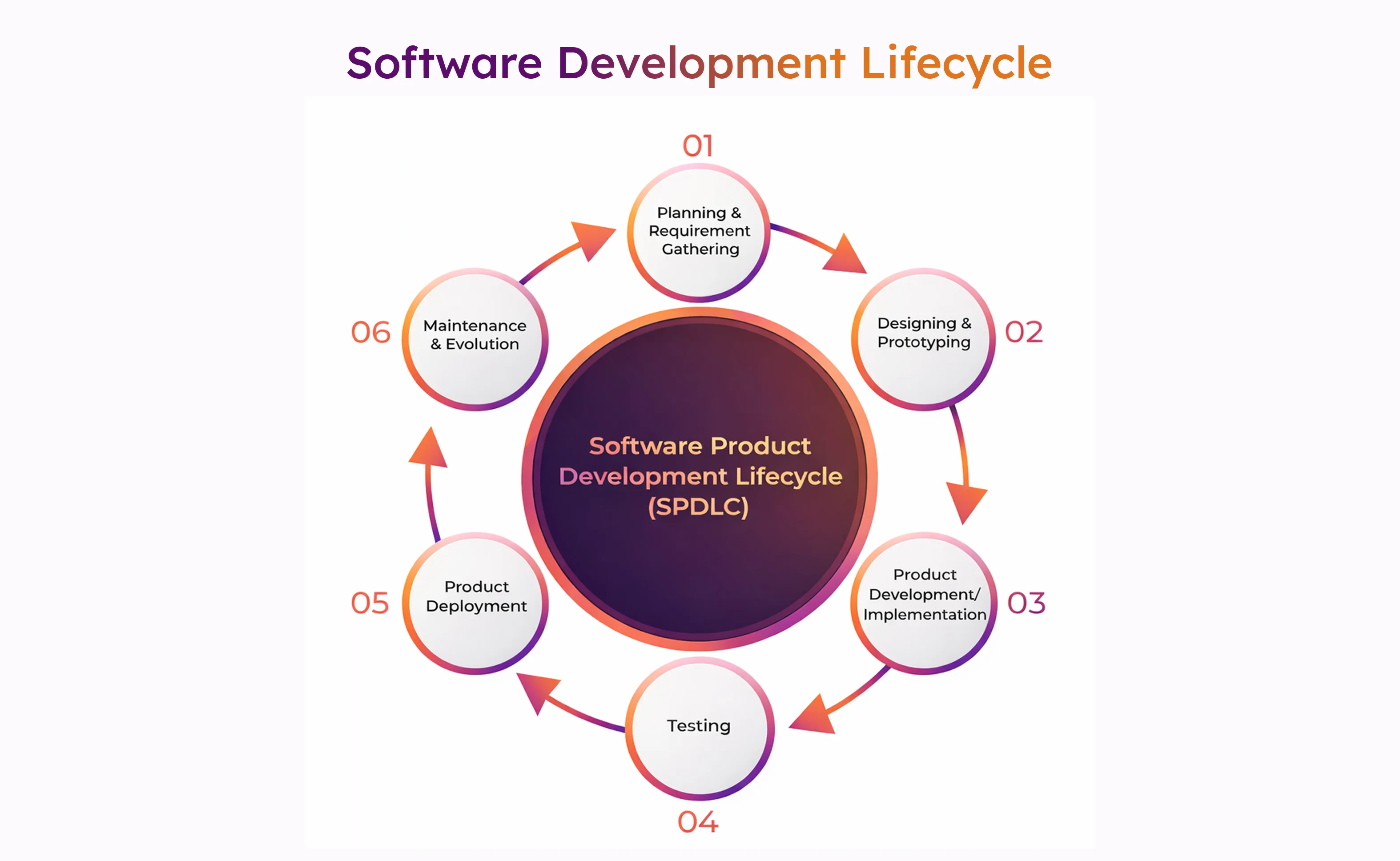
Timing in the Software Development Lifecycle
Integration testing is performed after unit testing and before system testing within the software development lifecycle phases. System testing follows once the application is fully deployed to a production-like test environment.
Both testing types support:
- Waterfall models
- Agile software development lifecycle
- Hybrid SDLC models
In CI/CD environments, integration tests are automated per build, while system testing may combine automation and manual testing.
Types of Defects Identified
Defects identified through integration testing
- API failures and authentication issues
- Data mismatches between modules
- Database interaction errors
- Broken service dependencies
Defects identified through system testing
- User experience and usability issues
- Performance bottlenecks discovered through Performance Testing
- Security vulnerabilities
- Compliance and regulatory gaps
Together, these testing layers improve reliability and reduce production incidents.
H2 - Choosing the Right Testing Approach for Your Business
Los Angeles businesses must align testing strategies with growth goals, compliance needs, and user expectations.
Factors to Consider
- Application complexity
- Industry regulations
- Release frequency
- Budget for Automation
- Team expertise (QA team, developers, software testers)
A well-defined testing pyramid (Unit Testing → Integration Testing → System Testing → acceptance testing) ensures balanced coverage.
Recommendations for Los Angeles Businesses
- Adopt shift left testing to catch defects early.
- Combine manual and automated Functional Testing.
- Leverage QAOps for faster releases
- Maintain clear test plans, Test Cases, and Test Data.
- Use CI/CD pipelines to integrate testing into deployments.
Future Trends in Software Testing
The future of testing in LA’s tech scene includes:
- AI-driven test automation
- Cloud-based Test Environment provisioning
- Enhanced security testing
- Real-time analytics in Test Summary report generation
Conclusion: System Testing vs Integration Testing
System testing and integration testing are both essential pillars of software testing basics. Integration testing makes sure components work together correctly. System testing checks the complete application through end-to-end testing, performance validation, and security checks.
Los Angeles organizations face growing application complexity, regulatory compliance, and performance demands. They need a structured testing approach with modern automation frameworks and experienced QA teams for long-term success.
People Also Ask

What risks arise when system testing and integration testing are performed in isolation?
Performing System Testing and Integration Testing separately often mean a team will miss out on discovering how the application will be experienced by the actual end-user. While it is possible for the Integration Testing to confirm that the different parts of the application communicate with one another correctly, any issues relating to performance, security, or end-to-end workflows might not be detected. On the other hand, a team who relies solely on System Testing to identify interaction issues will likely experience a delay in detection of those issues that would result in increased cost and required effort to correct any identified bugs post-construction.
What challenges do businesses face when automating system and integration testing?
When Automating System and Integration Testing, Companies Will Find It Difficult to Maintain Test Frameworks Due to UI/UX Instability, Changing API Definitions, and the Complexity of Managing Test Data. System Automation for System Level Tests May Also Be Slow and Frustrating; on the Integration Testing Side, External Dependencies and Frequent Changes Will Result in Short-Lived Test Suites.
How can organizations measure the ROI of system and integration testing efforts?
The metrics you can measure against the investment you made into software testing are based on your company's long-term effects of software testing; whether it results in fewer defects during production, quicker/consistent release cycles, less time spent on rework, lower costs for ongoing maintenance, higher levels of stability or uptime, increased customer satisfaction, and meeting compliance requirements.
What are the benefits of software testing services for businesses?
Businesses use software testing services to test their products and ensure quality while being able to avoid the expense of hiring a large internal team. Software Testing Services provide companies with access to an experienced team of professional testers who have access to proven tools and methodologies, allowing them to achieve improved test coverage and faster time to market, thereby minimizing their risk of failure.
How do system testing and integration testing adapt to continuous delivery and DevOps pipelines?
Continuous Delivery (CD) and DevOps use automated integration testing early in the build cycle to find problems as soon as possible. In contrast, system testing's emphasis is on testing end-to-end business logic, performance, and security as close to the deployable date as possible. Both test types work together to accelerate deployment times while maintaining the integrity of the application.


.webp)
.webp)
.webp)

.webp)
.webp)