

Introduction
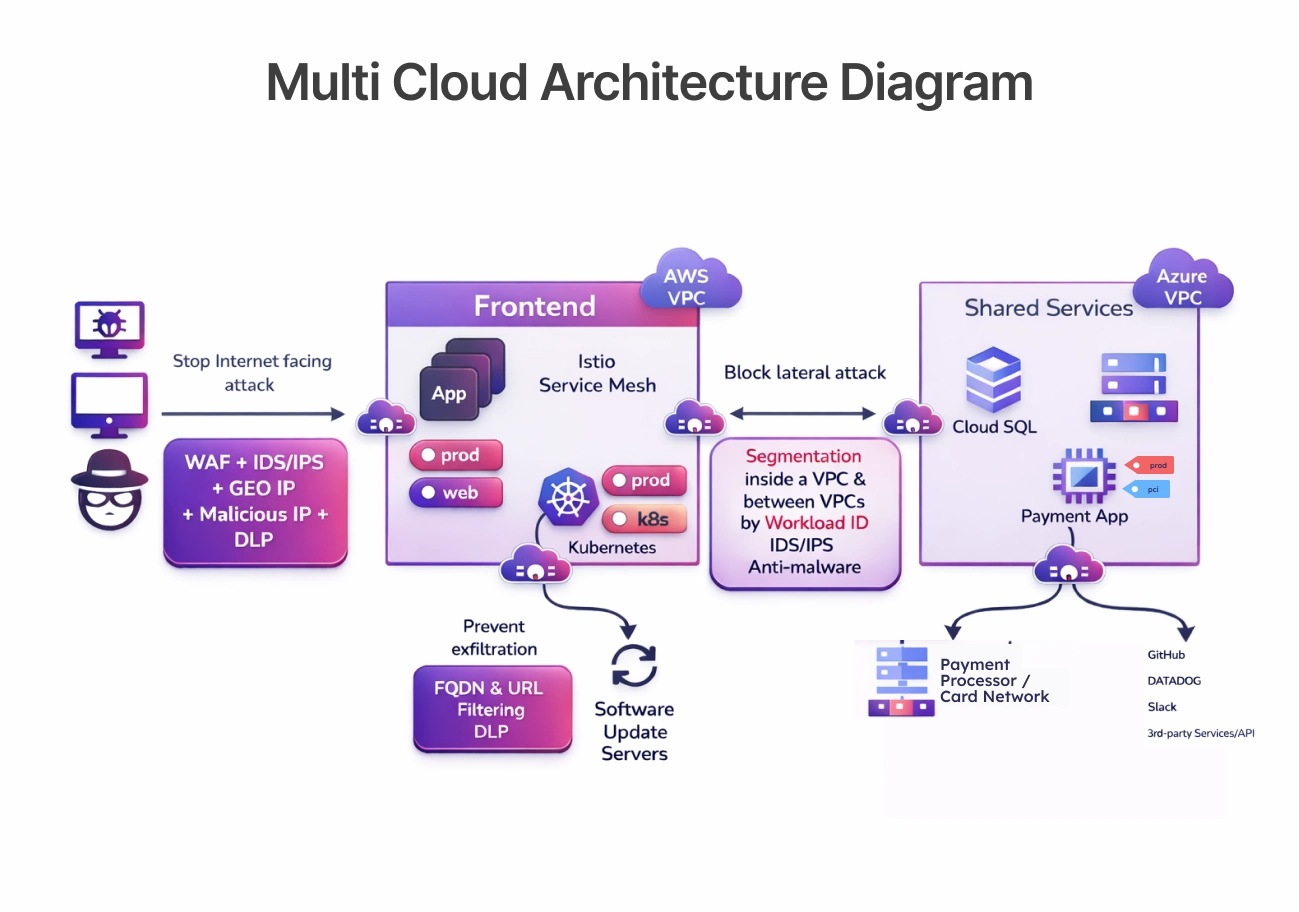
Importance of multi-cloud strategies in modern cloud computing
In today’s fast-evolving cloud computing landscape, organizations are rapidly shifting from relying on one cloud provider to adopting a multi-cloud approach. For CTOs, tech leads, and SaaS companies, a well-defined multi cloud strategy is essential to ensure scalability, resilience, and operational flexibility across cloud infrastructure.
- Enables workload distribution across Amazon Cloud, Oracle Cloud, and other providers.
- Reduces vendor lock-in while improving service reliability.
- Supports global scalability for SaaS platforms and enterprise applications.
- Strengthens disaster recovery using cloud backup services.
Across tech hubs like Bengaluru, Hyderabad, and global SaaS ecosystems, enterprises are leveraging multi-cloud to optimize performance and compliance. However, this complexity requires advanced cloud monitoring tools to maintain efficiency. In this blog, we will explore the best AI observability tools for multi-cloud in 2026, understand how AIOps enhances cloud monitoring, compare leading platforms, and uncover key trends shaping the future of cloud infrastructure. In essence, multi-cloud is not just a trend—it is a strategic necessity for modern digital transformation.
Role of AI observability in cloud monitoring and infrastructure
As cloud environments grow more complex, traditional monitoring and logging approaches fall short. This is where AI observability, powered by AIOps tools, becomes critical, enabling intelligent monitoring of production systems and distributed systems.
- Uses AI analytics and AI data analytics to detect anomalies in real time.
- Identifies root causes across interconnected services.
- Tracks token usage, agent behavior, and model outputs in AI-driven systems.
- Improves production monitoring with predictive insights.
Companies like BuildNexTech are leveraging AI observability to transform cloud operations from reactive to proactive. By integrating AIOps monitoring, teams can resolve issues before they impact users.
Ultimately, AI observability bridges the gap between data complexity and actionable insights in cloud environments.
Overview of AI observability tools and trends for 2026
The year 2026 marks a major shift in how observability tools function, especially with the rise of LLM applications, AI agents, and multi-agent systems. Observability is no longer just about infrastructure—it now includes LLM observability, model evaluation, and API-level observability.
- Growth of tools supporting LLM calls, tool calls, and agent decision-making.
- Increased focus on model drift, model explainability, and AI quality.
- Integration of cost analytics, token analytics, and model costs.
- Platforms like New Relic, Grafana Cloud, and Splunk Observability Cloud are leading innovation.
These advancements highlight how observability is evolving into a comprehensive system for managing both infrastructure and AI-driven workloads.
In short, 2026 is the year when AI observability becomes central to cloud strategy.
Understanding Multi-Cloud and Its Benefits
What is a multi-cloud strategy vs one cloud approach?
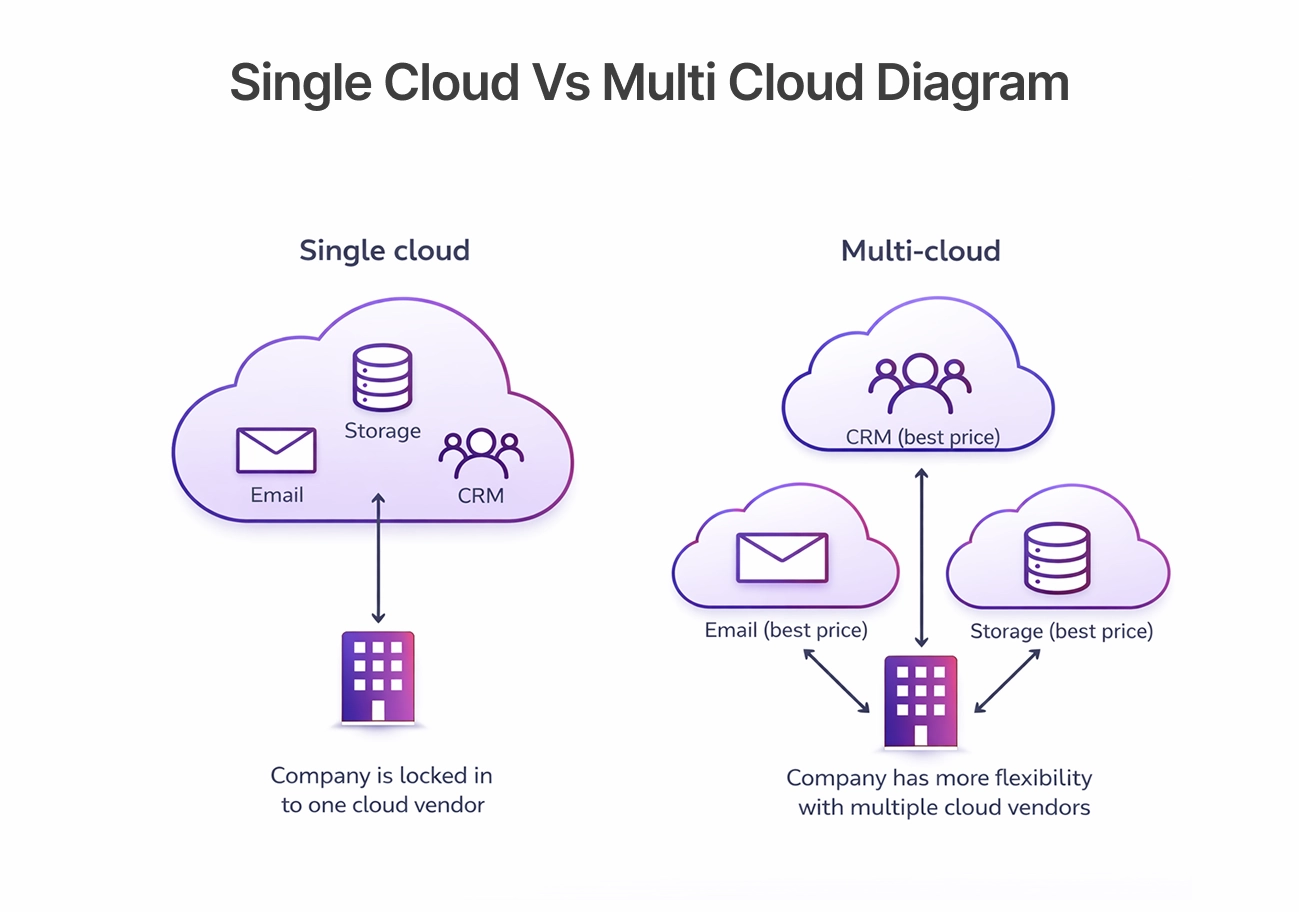
A multi-cloud strategy involves using services from multiple cloud providers instead of relying on a single provider (one cloud). This approach enables organizations to select the best services for each workload.
- Combines services from AWS, Azure, and Google Cloud.
- Supports dependency mapping across distributed systems.
- Improves flexibility in deploying applications.
- Enables hybrid and cross-cloud architectures.
Unlike one cloud, multi-cloud provides greater control and reduces risks associated with vendor dependency.
For modern enterprises, adopting multi-cloud is about maximizing efficiency and minimizing operational risks.
Multi-cloud adoption trends and enterprise usage
According to Gartner and other industry analysts, over 80% of enterprises now operate in multi-cloud environments. This trend is driven by the need for scalability, compliance, and improved performance.
- SaaS platforms rely on multi-cloud for global delivery.
- Enterprises use it for data governance and compliance.
- Supports secure connection and data encryption.
- Enhances privacy management across regions.
From startups to global enterprises, multi-cloud adoption continues to grow rapidly.
This trend highlights the importance of investing in advanced observability solutions.
Benefits of multi-cloud: flexibility, cost efficiency, and reliability
Multi-cloud environments provide several advantages that directly impact business outcomes and operational efficiency.
- Flexibility in choosing the best cloud services.
- Cost optimization through cost controls and resource allocation.
- High availability and redundancy across regions.
- Improved performance for distributed workloads.
Additionally, integrating tools like google dropbox for storage and collaboration enhances productivity in cloud ecosystems.
Overall, multi-cloud enables organizations to build resilient and scalable systems.
The Role of AI in Cloud Observability
What is AIOps and how it works in cloud environments
AIOps (AI for IT operations) leverages machine learning and analytics to automate and enhance IT operations. It plays a crucial role in managing complex cloud environments.
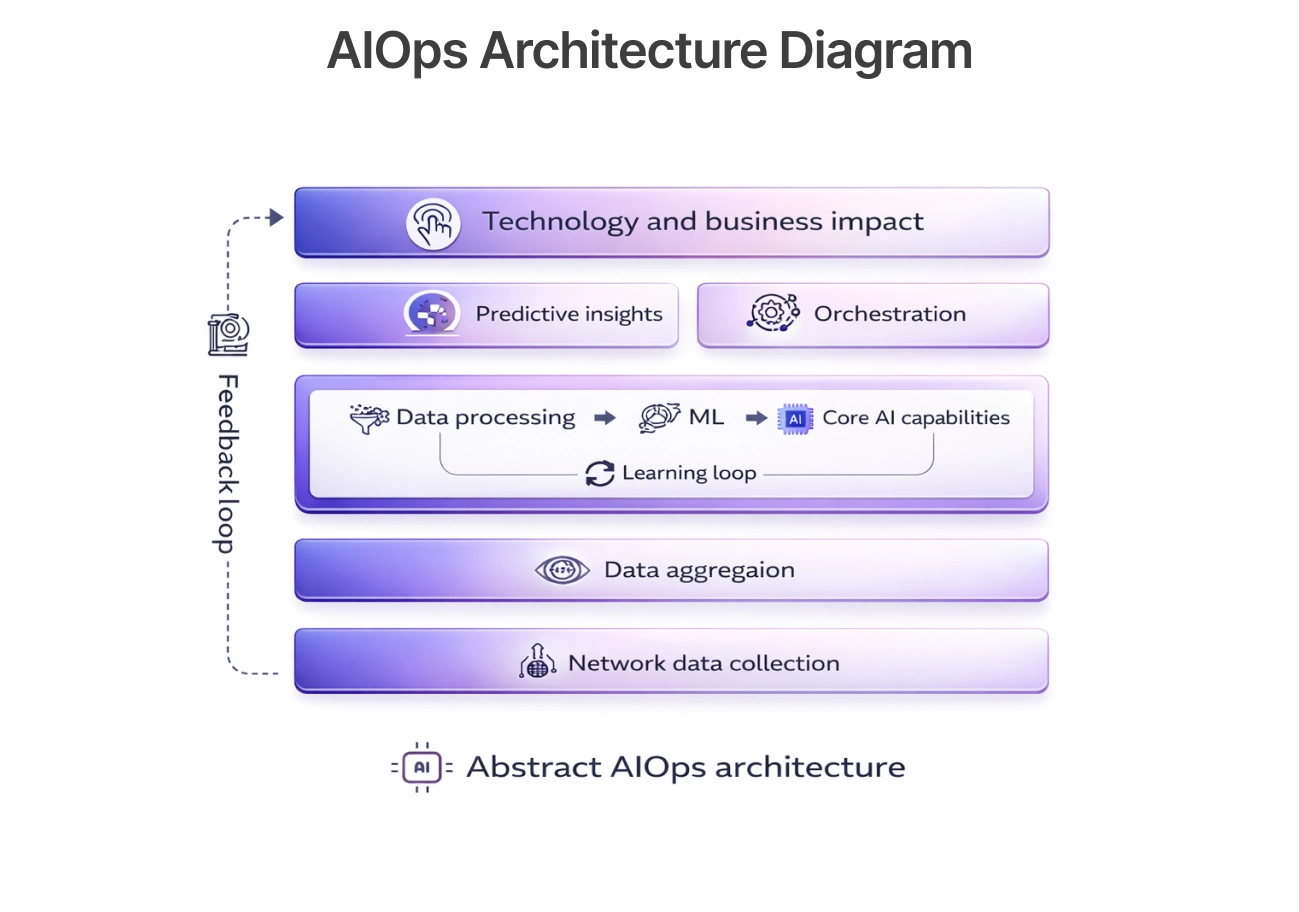
- Automates monitoring and logging processes.
- Uses AI models and decision trees for anomaly detection.
- Enables predictive insights through AI intelligence.
- Improves incident response using AI analyzer tools.
AIOps transforms traditional IT operations into intelligent systems capable of self-healing.
For organizations adopting multi-cloud, AIOps is essential for maintaining efficiency.
AIOps observability for multi-cloud monitoring
With AIOps observability, multi-cloud environments can be fully monitored and performance optimization achieved.
Production tracks performance of the system.
- Determines root causes automatically.
- Offers observability and API management at API level.
- Improves distribution system visibility.
Organizations can easily monitor cloud environments using tools such as the AWS CloudWatch and the Azure Monitor.
The degree of observability guarantees efficient and reliable operations.
AI analytics and AI models in monitoring and logging
Observability tools AI-driven are high-performance tools that have sophisticated analytics and models to enhance system visibility and performance.
- Employs a proof-of-use analysis and validation process.
- Facilitates model assessments and model explainability.
- Identifies model changes and performance problems.
- Enhances automated testing and manual testing.
These features render AI observability critical to the management of the contemporary cloud setup.
Finally, AI analytics improves the visibility and decision-making in the cloud.
Top AI Observability Tools for Multi-Cloud in 2026
Overview of leading AIOps tools and platforms
Several leading AIOps platforms dominate the observability landscape, offering advanced capabilities for multi-cloud environments.
- New Relic for full-stack observability.
- Grafana Cloud for visualization and dashboards.
- Splunk Observability Cloud for analytics and insights.
- Native tools like AWS CloudWatch and Azure Monitor.
Emerging tools like Galileo AI, Opik by Comet, and Maxim AI focus on LLM evaluation and AI quality.
These platforms provide comprehensive solutions for managing cloud and AI workloads.
Key features of observability tools for multi-cloud
Modern observability tools offer features designed to handle complex cloud environments and AI systems.
- Real-time cloud monitoring and alerts.
- Dependency mapping and system insights.
- Support for LLM applications and AI agents.
- Token analytics and cost analytics for optimization.
Additionally, features like retrieval-augmented generation and retrieval systems improve AI performance.
These capabilities help organizations maintain reliability and efficiency.
Comparison of cloud monitoring tools and platforms
Choosing the right tool depends on business needs and technical requirements.
- Native tools like Google Cloud Monitoring vs third-party platforms.
- Focus on scalability and integration capabilities.
- Support for API management and AI Gateway.
- Advanced analytics and visualization features.
A comparative approach ensures the best fit for your organization.
Ultimately, the right tool aligns with your cloud strategy and goals.
Evaluating the Best AIOps and Observability Tools
Metrics: scalability, integration, and real-time monitoring
When evaluating tools, key metrics help determine effectiveness and performance.
- Scalability for handling large datasets.
- Integration with existing systems.
- Real-time production monitoring capabilities.
- Support for evaluation depth and analytics.
These metrics ensure tools can handle complex cloud environments.
Organizations should prioritize tools that meet these criteria.
Importance of user experience in AIOps software
User experience plays a critical role in the adoption and success of AIOps software.
- Intuitive dashboards and visualization.
- Easy configuration and deployment.
- Support for user segments and conversation types.
- Improved accessibility for teams.
A good user experience enhances productivity and efficiency.
It also ensures better adoption across teams.
Choosing the right observability tools for cloud infrastructure
Selecting the right tool requires careful evaluation of business needs and technical requirements.
- Compatibility with cloud infrastructure.
- Support for data governance and compliance.
- Integration with existing workflows.
- Cost-effectiveness and ROI.
Organizations must align tools with their strategic goals.
This ensures long-term success and scalability.
Integrating AI Observability into Multi-Cloud Strategy
Best practices for implementing AIOps tools
Implementing AIOps tools requires a structured and strategic approach.
- Define clear objectives and KPIs.
- Integrate tools gradually.
- Use prompt management and monitoring.
- Continuously evaluate performance.
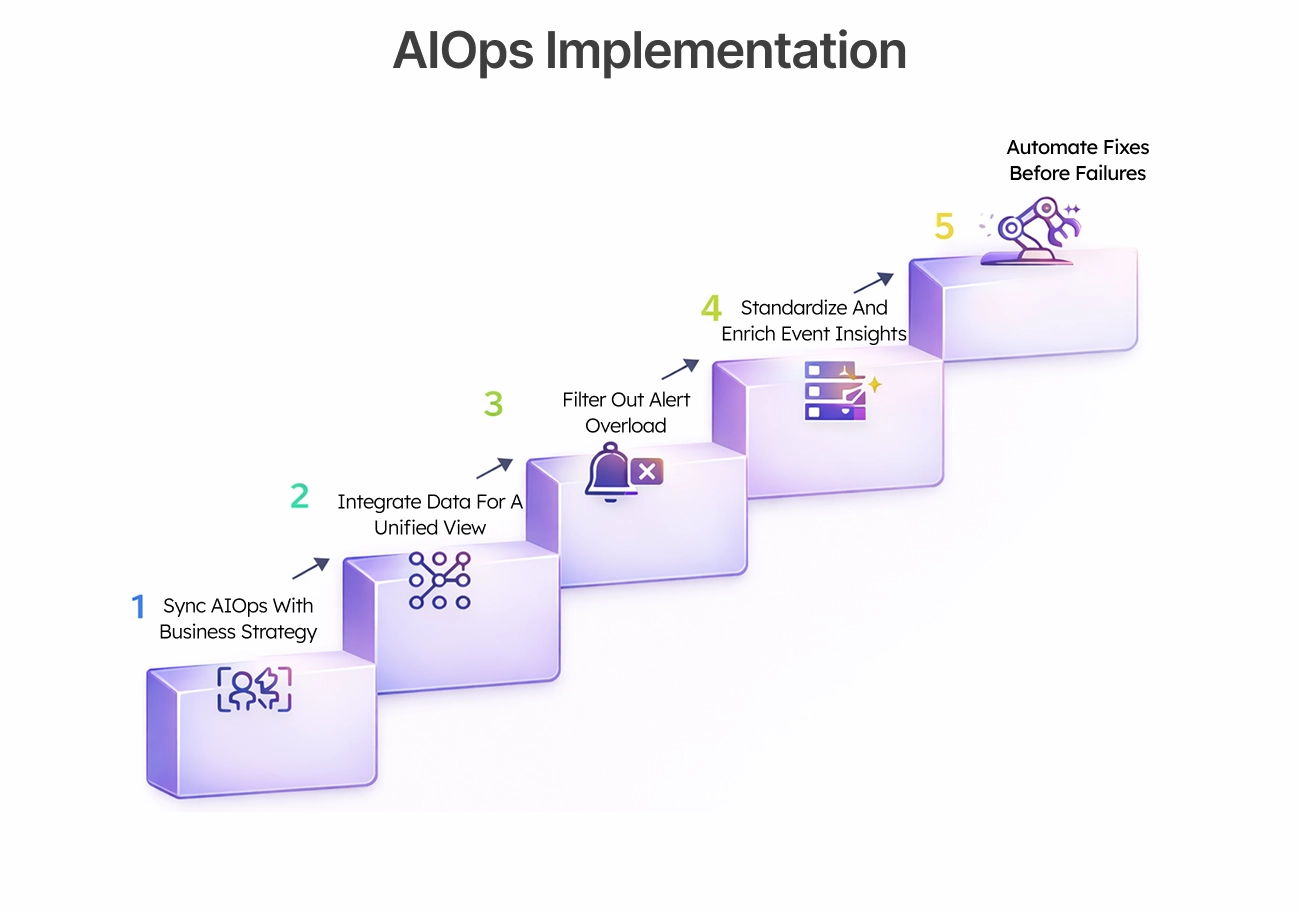
Following best practices ensures successful implementation.
It also minimizes risks and challenges.
Role of team training and awareness
Successful adoption depends on team readiness and awareness.
- Train teams on AIOps platforms.
- Promote awareness of AI capabilities.
- Encourage collaboration.
- Provide continuous learning opportunities.
This ensures effective use of observability tools.
It also improves overall efficiency.
Overcoming challenges like data silos and system compatibility
Organizations often face challenges when integrating observability tools.
- Address data silos with centralized systems.
- Ensure compatibility with existing infrastructure.
- Implement secure connection and privacy management.
- Use robust validation processes.
Overcoming these challenges is essential for success.
It ensures seamless integration and performance.
Future Trends in AI Observability for Multi-Cloud
Evolution of cloud monitoring tools and AIOps platforms
Cloud monitoring tools are evolving rapidly with advancements in AI and automation.
- Increased use of AI intelligence.
- Enhanced automated evaluations.
- Integration with governance platforms.
- Improved analysis of model outputs.
These trends will shape the future of observability.
They will also improve efficiency and performance.
Role of AI in cloud services
AI intelligence is transforming how cloud services are managed.
- Enables predictive analytics.
- Supports multi-step reasoning chains.
- Enhances agent decision-making.
- Improves efficiency in production systems.
This leads to smarter and more efficient cloud operations.
AI is becoming a core component of cloud services.
Security, compliance, and the future of cloud infrastructure
Security and compliance are critical in multi-cloud environments.
- Focus on data encryption and privacy.
- Compliance with global regulations.
- Secure handling of cloud data.
- Integration of security into observability tools.
These factors will drive future developments.
They ensure safe and reliable cloud operations.
Conclusion
Importance of AI observability in multi-cloud environments
As multi-cloud environments grow, managing complexity across distributed systems becomes challenging. AI observability helps teams gain deeper visibility into cloud infrastructure and detect issues proactively.
- Provides real-time insights into system performance
- Identifies root causes quickly across services
- Improves reliability and application performance
- Supports monitoring for AI and cloud-native systems
In modern cloud computing, AI observability is essential for maintaining scalable and efficient systems.
Benefits of adopting AIOps tools for cloud monitoring
AIOps tools enhance cloud monitoring by combining automation with intelligent analytics. They help teams manage operations more efficiently and reduce manual effort.
- Automates monitoring and incident response
- Improves decision-making with AI insights
- Reduces downtime and operational risks
- Enhances overall user experience
By adopting AIOps, organizations can move from reactive troubleshooting to proactive optimization.
Call to action for exploring observability tools
Choosing the right observability tools is critical for successful multi-cloud strategies. The right tools improve performance, cost efficiency, and system reliability.
- Explore platforms like New Relic, Grafana Cloud, and Splunk Observability Cloud
- Evaluate tools based on scalability and integration
- Implement AI observability for better insights
BuildNexTech encourages organizations to adopt AI observability and unlock the full potential of multi-cloud in 2026.
People Also Ask

What is multi-cloud, and why is it important in cloud computing?
Multi-cloud refers to using multiple cloud providers instead of relying on one cloud. It improves flexibility, avoids vendor lock-in, and enhances reliability in modern cloud computing environments.
What are AIOps tools, and how do they support cloud monitoring?
AIOps tools use AI and machine learning to automate IT operations. They enhance cloud monitoring by analyzing logs, detecting anomalies, and improving performance across multi-cloud systems.
What is observability, and how is it different from monitoring and logging?
Observability provides deep insights into system behaviour using metrics, logs, and traces, while monitoring and logging only track predefined issues. Observability helps identify root causes in complex cloud infrastructure.
How does AI analytics improve cloud observability?
AI analytics and AI data analytics analyze large volumes of cloud data to detect patterns, predict failures, and optimize system performance in real time.
What are cloud monitoring tools and which platforms support them?
Cloud monitoring tools track system performance and health. Major platforms like Amazon Cloud, Oracle Cloud, and Google Cloud Monitoring provide built-in monitoring and observability capabilities.


.webp)
.webp)
.webp)

.webp)
.webp)