
.png)
.webp)
Introduction to Cloud Migration and Why Proposal Evaluation Matters
Cloud migration has become a core component of modern digital transformation strategies. As organizations adopt cloud computing and modern cloud infrastructure, they increasingly rely on external vendors, cloud services providers, and consulting firms to guide their migration journey. These vendors typically present detailed cloud migration proposals outlining tools, timelines, and implementation strategies.
However, not every proposal tells the complete story. Hidden risks such as underestimated costs, weak cloud security measures, or poorly defined migration processes can lead to operational failures and scalability issues. Understanding how to evaluate these proposals carefully helps businesses avoid costly mistakes and ensures a smoother migration experience.
The growing importance of cloud migration in modern cloud computing and digital transformation
Cloud migration has become a strategic priority for organizations adopting cloud computing and modern cloud infrastructure to improve scalability, innovation, and digital transformation.
.webp)
- Organisations move workloads to the cloud to reduce hardware dependency and increase scalability.
- Cloud environments support emerging technologies such as artificial intelligence, Generative AI, and Agentic AI.
- Modern data platforms, including solutions like Microsoft Fabric, enable advanced analytics dashboards and real-time insights.
- Enterprises adopt cloud platforms to support distributed teams and digital operations.
According to industry research from Gartner and IDC, more than 80% of organisations will shift significant workloads to the cloud by the end of this decade. However, the success of a migration largely depends on evaluating proposals carefully and identifying potential risks before execution begins.
Role of cloud migration tools and cloud migration services in simplifying the migration process
Migrating enterprise systems is a complex undertaking that involves multiple technologies, vendors, and data sources. Modern cloud migration tools and cloud migration services help organisations manage these complexities by automating workflows, orchestrating data transfer, and ensuring compatibility between legacy systems and modern infrastructure.
- Cloud automation tools streamline deployment and configuration processes.
- Cloud migration tools assist with Data Migration, application dependency mapping, and workload analysis.
- Professional cloud consulting firms provide expertise in planning and executing migrations.
- Platforms such as AWS cloud services, Google Cloud, and other cloud providers offer built-in migration frameworks.
Companies like BuildNexTech help enterprises evaluate migration proposals, identify potential risks, and ensure that migration initiatives align with broader digital transformation strategies. With the right services and tools, organisations can reduce downtime, manage software costs, and improve long-term scalability.
Ultimately, selecting the right combination of migration tools and consulting support ensures a smoother migration process and minimizes operational disruption.
Why businesses must identify hidden red flags in cloud migration proposals
Not every cloud migration proposal delivers what it promises. Some proposals may overlook critical aspects such as data quality, security protocols, or cost forecasting. These hidden risks often lead to cost overruns, operational failures, and delayed project timelines.
- Incomplete risk assessment and poorly defined project phases.
- Lack of clarity around Total Cost of Ownership and long-term infrastructure costs.
- Weak security posture and missing cloud security services.
- Insufficient planning for Data Integration, data synchronization, or regulatory compliance.
Industry reports suggest that nearly 70% of cloud migration initiatives encounter delays or budget overruns due to inadequate planning or unclear vendor relationships.
By identifying these red flags early, CTOs and IT leaders can avoid costly mistakes and ensure a migration strategy that supports long-term growth, operational efficiency, and security compliance.
Understanding Cloud Migration
What is cloud migration and its role in modern cloud infrastructure?
Cloud migration refers to the process of moving applications, databases, and workloads from on-premises infrastructure or legacy systems into a cloud infrastructure environment. This shift enables organisations to adopt flexible computing resources, modern development frameworks, and scalable data platforms.
.webp)
- Migration can involve transferring enterprise databases, applications, and APIs to a cloud environment.
- Organisations often migrate workloads from legacy systems that limit scalability.
- Modern cloud platforms enable Data Analytics, AI services, and real-time analytics dashboards.
- Cloud infrastructure supports rapid software development cycles and agile deployment models.
For SaaS companies and digital platforms, cloud migration is often the foundation for delivering high-performance applications and scalable services. It allows teams to integrate technologies such as cloud databases, distributed cloud servers, and modern data storage systems.
When executed correctly, cloud migration provides a flexible technology foundation that supports innovation and digital transformation.
H3 - Different cloud types, including public cloud, private cloud, hybrid cloud, and multi-cloud
Organisations can adopt several cloud types depending on business requirements, compliance standards, and infrastructure complexity. Understanding these deployment models is essential for selecting the right migration strategy.
- Public cloud platforms such as Amazon Cloud, AWS Cloud services, and Google Cloud offer scalable computing resources.
- Private cloud environments provide dedicated infrastructure for sensitive workloads.
- Hybrid cloud combines on-premise infrastructure with public cloud environments.
- Multi-cloud strategies involve using multiple cloud providers to improve redundancy and flexibility.
Many enterprises now adopt hybrid or multi-cloud strategies to avoid vendor lock-in and improve operational resilience.
This approach allows organisations to distribute workloads across multiple environments while optimizing cost, performance, and security.
How businesses use cloud technologies and cloud computing platforms
Modern organisations rely on cloud technologies to power digital products, data platforms, and internal enterprise systems. From startups to global enterprises, cloud computing platforms enable organisations to build scalable applications and process large volumes of data.
- Businesses deploy cloud hosting services for web applications and SaaS platforms.
- Companies use cloud databases and cloud data storage to manage enterprise data.
- Data teams rely on cloud platforms for data analytics, data profiling, and analytics dashboards.
- Development teams integrate APIs and cloud-native services into their software development lifecycle.
These capabilities enable companies to build intelligent applications, automate processes, and deliver better customer experiences.
As organisations continue to innovate, cloud platforms will remain the backbone of digital transformation initiatives.
The Cloud Migration Process
Key steps in the cloud migration process, including assessment, planning, and execution
The cloud migration process involves several structured phases designed to ensure a smooth transition from legacy systems to modern cloud environments.
.webp)
- Initial risk assessment and infrastructure evaluation.
- Planning migration strategies and defining project phases.
- Executing Data Migration and application migration workflows.
- Testing systems through validation logic and performance metrics.
These phases help organisations minimize disruptions and maintain service availability throughout the migration.
By carefully managing each stage, businesses can reduce technical debt and ensure that migration outcomes align with long-term operational goals.
Importance of a clear cloud strategy for successful migration
A strong cloud strategy defines how organisations adopt and manage cloud technologies while aligning migration initiatives with business objectives.
- Define measurable goals such as improved scalability and reduced operational costs.
- Evaluate Total Cost of Ownership across different cloud providers.
- Plan governance frameworks, including data governance, regulatory compliance, and identity management.
- Align cloud adoption with long-term software development and digital transformation strategies.
Without a clear strategy, organisations often face fragmented infrastructure, rising software costs, and inconsistent performance.
A well-designed cloud strategy ensures that migration initiatives support business growth, operational efficiency, and future innovation.
Role of cloud automation and cloud migration tools in improving efficiency
Automation has become a key component of modern migration strategies. Cloud automation tools allow organisations to streamline configuration, deployment, and system monitoring processes.
- Automated tools help synchronize databases and manage data synchronization workflows.
- Migration platforms identify application dependencies and infrastructure configurations.
- Automation improves operational consistency and reduces manual errors.
- Integration tools support complex Data Integration across multiple platforms.
These capabilities significantly reduce migration timelines and operational risk.
By combining automation tools with expert consulting support, organisations can accelerate migration projects while maintaining system stability.
Key Cloud Types and Technologies
Understanding IaaS, PaaS, and SaaS in cloud computing
Cloud computing platforms offer different service models that support various business needs.
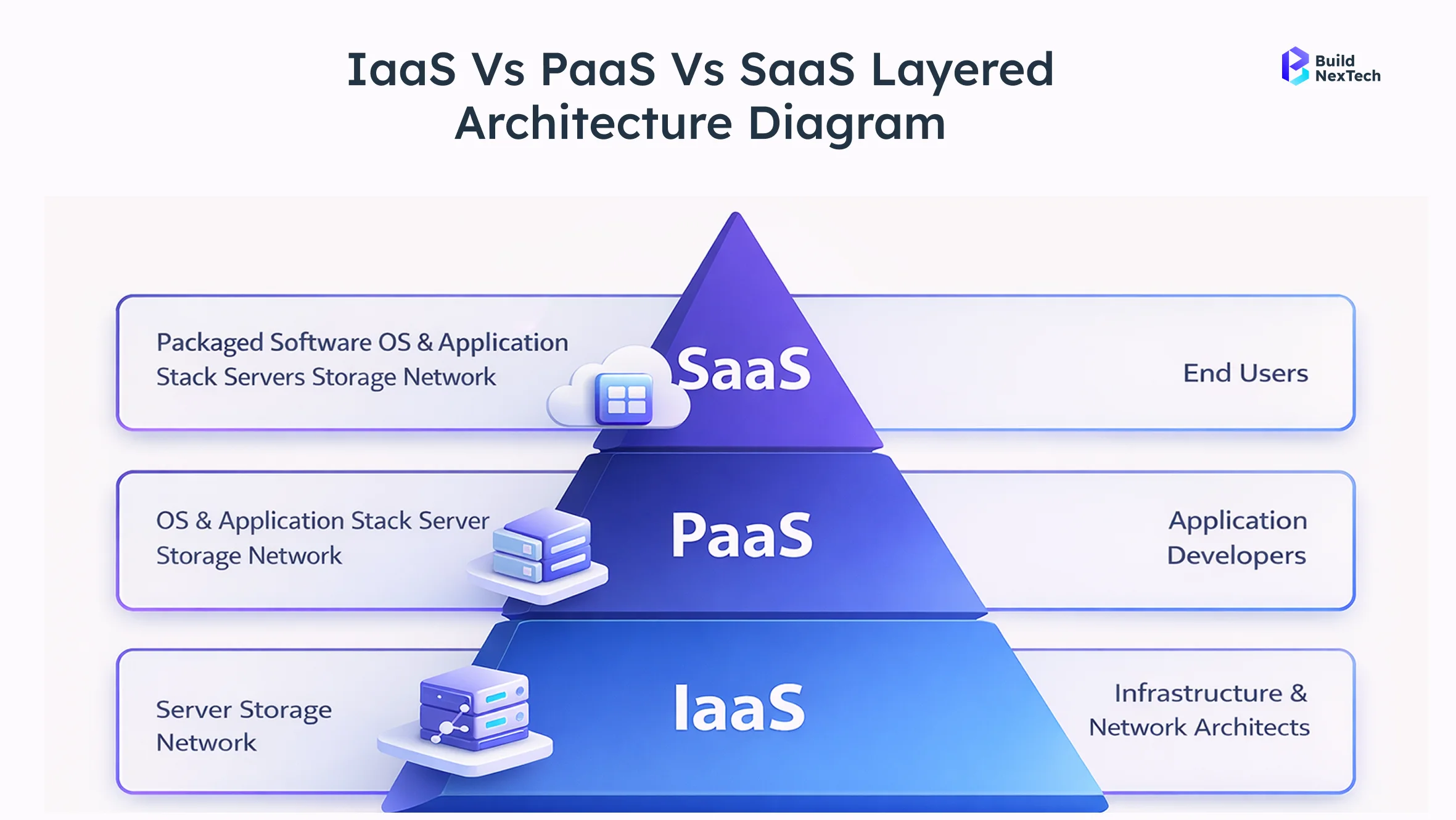
- Infrastructure as a Service (IaaS) provides computing resources such as virtual machines and storage.
- Platform as a Service (PaaS) enables developers to build and deploy applications without managing infrastructure.
- Software as a Service (SaaS) delivers ready-to-use applications through cloud platforms.
These models help organisations optimize resource utilization and accelerate innovation.
By selecting the appropriate cloud service model, businesses can balance operational efficiency with scalability and flexibility.
Role of cloud databases, cloud servers, and cloud data storage
Data infrastructure is a critical component of cloud migration initiatives. Modern enterprises rely on distributed cloud databases, scalable cloud servers, and high-performance cloud data storage to support applications and analytics workloads.
- Cloud databases support transactional systems and enterprise applications.
- Cloud servers enable scalable computing for large workloads.
- Cloud storage services allow businesses to store large volumes of structured and unstructured data.
- Features such as read replicas and distributed storage improve reliability and performance.
These technologies provide the foundation for modern digital services and data-driven decision-making.
Organisations that design robust data architectures can achieve better performance, reliability, and scalability.
Popular platforms such as AWS cloud services and Google Cloud
Several cloud providers dominate the global market, offering enterprise-grade infrastructure and migration services.
- AWS cloud services provide a comprehensive ecosystem for compute, storage, analytics, and AI services.
- Google Cloud offers advanced data analytics tools and AI capabilities.
- Microsoft Azure integrates closely with enterprise software and business applications.
These platforms support advanced technologies such as AI services, Data Services, and modern data platforms.
Selecting the right cloud provider depends on factors such as performance requirements, vendor relationships, and long-term business goals.
Common Red Flags in Cloud Migration Proposals
Lack of comprehensive assessment of existing infrastructure
One of the most common red flags in cloud migration proposals is the absence of a thorough assessment of the existing infrastructure. Without a clear understanding of current systems, dependencies, and data flows, migration projects can quickly run into unexpected challenges that delay implementation and increase costs.
- Incomplete analysis of legacy systems and application dependencies. For example, a legacy CRM application might rely on outdated libraries or tightly coupled APIs that fail after migration.
- Missing evaluation of enterprise databases and data quality issues. Migrating large datasets without data profiling can lead to bad data, broken reports, or inaccurate analytics dashboards.
- Lack of documentation for programming languages and system architecture. If teams do not understand the original development stack, migrating applications built on older frameworks can create compatibility problems.
- Poor mapping of data origin and data responsibility across systems. In many organizations, data flows through multiple platforms, and missing these connections can break integrations or cause data synchronization issues.
These gaps often lead to operational failures, unexpected downtime, and costly rework during migration.
A comprehensive infrastructure assessment ensures that migration strategies account for technical complexity and operational requirements.
Inadequate cloud security measures and missing cloud security services
Security is one of the most critical aspects of cloud adoption. Proposals that overlook cloud security considerations often expose organisations to serious risks.
- Missing cloud security tools and cloud security services in the migration plan.
- Weak data encryption protocols and identity management policies.
- Lack of identity and access management frameworks.
- Inadequate compliance protocols and regulatory frameworks.
Security gaps can compromise sensitive data, damage customer trust, and lead to regulatory penalties.
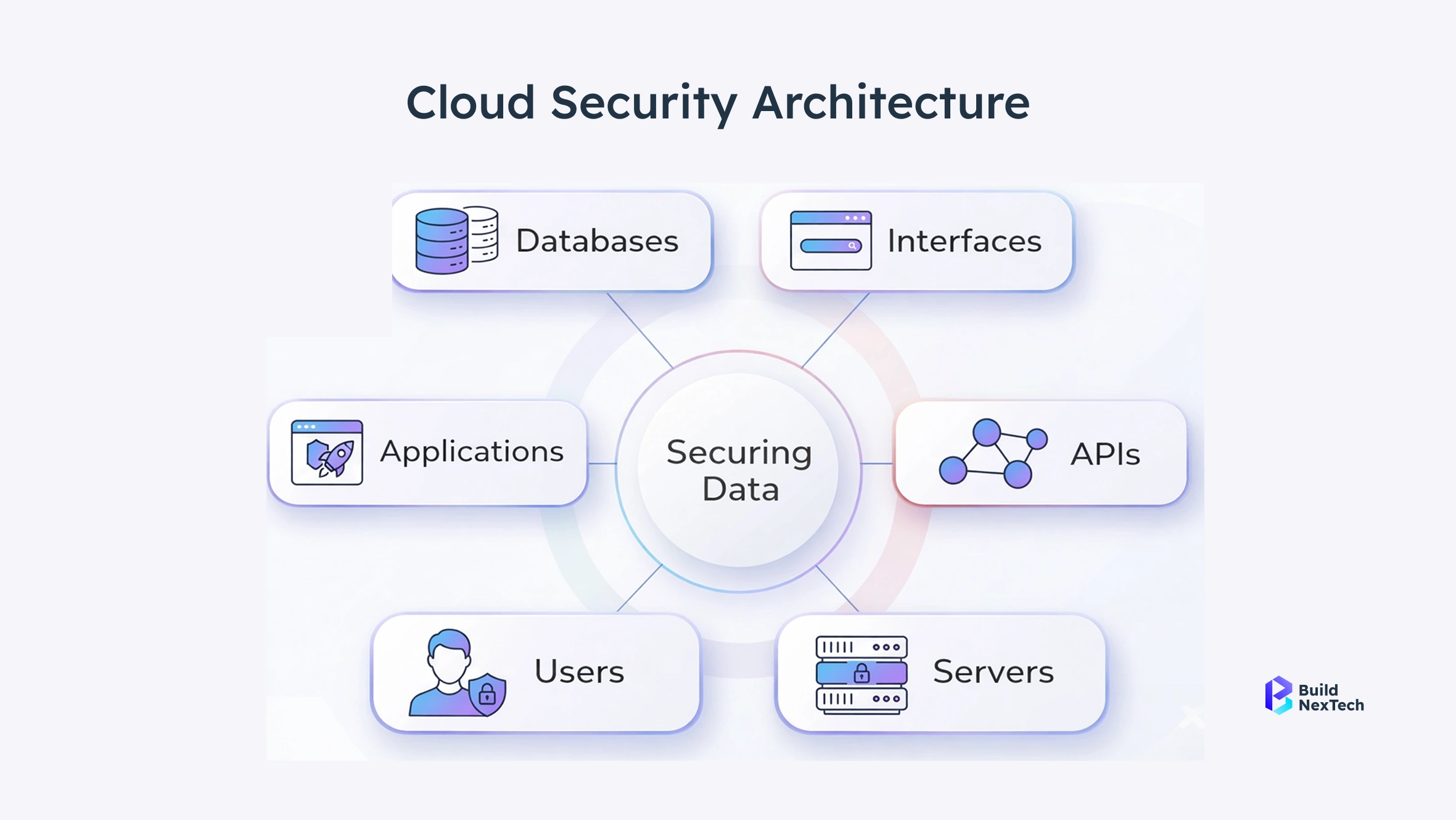
A robust security framework should include strong identity management, encryption policies, and continuous monitoring.
Poor clarity from cloud services providers regarding SLAs and timelines
Migration proposals must clearly define responsibilities, deliverables, and timelines. When vendors fail to provide detailed documentation, organisations risk project delays and misaligned expectations.
- Vague service-level agreements (SLAs).
- Unclear support frameworks and support levels.
- Inconsistent communication patterns between vendors and internal teams.
- Lack of transparency around project Triangle constraints of cost, scope, and time.
Strong vendor relationships and transparent proposals help organisations avoid miscommunication and project delays.
Organisations should evaluate vendor credibility carefully before committing to large-scale migration initiatives.
Evaluating Cloud Migration Tools and Services
Essential features to look for in cloud migration tools and cloud automation platforms
Selecting the right migration tools is essential for minimizing disruption and ensuring operational continuity.
- Automated workload analysis and application dependency mapping.
- Built-in testing frameworks and a testing matrix for validation.
- Support for multiple data sources and integration platforms.
- Migration dashboards for monitoring progress and performance metrics.
These features help organisations manage complex migrations with greater visibility and control.
Effective tools allow teams to track migration progress and quickly resolve issues during implementation.
Importance of reliable cloud hosting and cloud storage services
Reliable cloud hosting and cloud storage services ensure that migrated applications maintain performance and availability.
- Distributed cloud infrastructure improves resilience and uptime.
- Scalable storage solutions support large enterprise datasets.
- High-performance cloud servers enable efficient application deployment.
- Backup and disaster recovery mechanisms protect critical data.
Organisations that invest in reliable infrastructure can reduce downtime and improve application performance.
Cloud hosting and storage solutions play a critical role in maintaining system reliability after migration.
Comparing major cloud providers such as AWS, Google Cloud, and Azure
Choosing the right cloud provider requires careful comparison of features, capabilities, and pricing models.
- AWS offers extensive infrastructure services and advanced analytics tools.
- Google Cloud excels in data analytics, machine learning, and AI platforms.
- Azure integrates seamlessly with enterprise applications and productivity tools.
Organisations should evaluate providers using a Decision Matrix that considers performance, security, scalability, and cost.
Selecting the right provider ensures long-term infrastructure stability and operational efficiency.
The Importance of a Strong Cloud Strategy
Setting clear migration goals aligned with business objectives
Successful migration initiatives begin with clearly defined objectives that align with organisational goals.
- Define measurable performance metrics and success criteria.
- Align migration goals with customer experiences and digital transformation strategies.
- Establish governance frameworks for data usage and data privacy policies.
- Implement stakeholder mapping to ensure organisational alignment.
Clear objectives help organisations track progress and maintain strategic focus.
A well-defined migration strategy improves collaboration between leadership, engineering teams, and stakeholders.
Continuous monitoring and optimization of cloud infrastructure
Migration does not end after deployment. Continuous monitoring ensures that infrastructure remains secure and efficient.
- Track performance metrics using analytics dashboards and monitoring tools.
- Identify scalability issues and optimize resource allocation.
- Monitor security thresholds and compliance protocols.
- Conduct periodic risk heatmap analysis to identify emerging vulnerabilities.
These monitoring practices help organisations maintain operational stability and security.
Ongoing optimization ensures that cloud environments continue delivering long-term value.
H3 - Training teams to manage cloud technologies and cloud security software
Technology alone cannot guarantee migration success. Teams must develop the skills required to manage modern cloud environments.
- Train engineers in cloud infrastructure and security protocols.
- Provide teams with knowledge of identity management and security software.
- Educate staff about governance frameworks and compliance policies.
- Implement structured support processes for ongoing operations.
Organisations that invest in training build stronger internal capabilities and reduce reliance on external vendors.
Empowered teams can manage infrastructure effectively and respond quickly to operational challenges.
Future Trends Shaping Cloud Migration Strategies
Increasing use of cloud automation in migration processes
Automation is transforming how organisations manage migration projects.
- AI-powered tools automate data profiling and migration workflows.
- Automation platforms accelerate deployment and reduce operational risk.
- Intelligent monitoring tools detect anomalies and optimize performance.
These innovations enable faster and more efficient migration processes.
Automation will continue to reshape cloud operations and infrastructure management.
Growing focus on advanced cloud security tools and services
As cloud adoption expands, security concerns are becoming more prominent.
- Advanced threat detection systems monitor cloud environments in real time.
- Security providers develop new tools for identity management and encryption.
- Compliance frameworks ensure adherence to global regulatory standards.
These developments strengthen enterprise security posture and protect sensitive data.
Organisations must continuously update security strategies to address evolving threats.
Rising adoption of multi-cloud and cloud-to-cloud migration strategies
Many organisations now adopt multi-cloud strategies to improve resilience and avoid vendor lock-in.
- Enterprises distribute workloads across multiple cloud providers.
- Cloud to cloud migration enables flexible infrastructure management.
- Multi-cloud environments improve redundancy and business continuity.
These strategies allow organisations to optimize performance and maintain operational flexibility.
Multi-cloud adoption will likely become the standard approach for large-scale enterprise infrastructure.
Conclusion: Avoiding Cloud Migration Risks Through Better Planning
Recap of major red flags hidden inside cloud migration proposals
Cloud migration can unlock scalability, innovation, and operational efficiency, but hidden risks in migration proposals can quickly derail these benefits. Organizations must carefully review proposals to identify gaps in infrastructure planning, security protocols, and vendor commitments before beginning the migration process.
- Incomplete infrastructure assessments and unclear project scopes.
- Weak security frameworks and missing cloud security services.
- Poor vendor communication and unrealistic timelines.
Identifying these warning signs early allows CTOs and IT leaders to mitigate risks, prevent costly delays, and ensure a smoother cloud migration journey.
Importance of evaluating cloud services providers and migration tools carefully
Choosing the right cloud services providers and cloud migration tools plays a critical role in building reliable and scalable cloud infrastructure. Careful evaluation helps organizations select partners that align with their technical and business requirements.
- Review vendor credibility and proven experience with enterprise migrations.
- Assess migration tools for automation, monitoring, and integration capabilities.
- Evaluate long-term operational costs, scalability, and support frameworks.
Organizations that take the time to analyze vendors and migration technologies can significantly reduce project risks and improve overall migration success.
Encouraging businesses to adopt secure cloud infrastructure and strong migration strategies
Cloud migration is more than a technical upgrade—it is a strategic shift that shapes business agility, innovation, and long-term competitiveness. A well-planned migration strategy ensures that infrastructure, security, and operational goals remain aligned.
Companies like BuildNexTech support organizations in evaluating migration proposals, identifying hidden risks, and implementing secure, scalable cloud infrastructure solutions.
Before committing to any cloud migration proposal, ensure your strategy, tools, and partners are aligned with your long-term business goals—because the right decisions today will define the success of your cloud journey tomorrow.
People Also Ask

1. What is cloud migration and why do businesses use it?
Cloud migration is the process of moving applications, databases, and workloads from on-premise systems to cloud infrastructure or cloud computing platforms to improve scalability, performance, and cost efficiency.
2. What are the common cloud migration tools used by organisations?
Popular cloud migration tools help automate workload transfers, reduce downtime, and simplify the cloud migration process when moving data between platforms or performing cloud to cloud migration.
3. Why is cloud security important in cloud computing?
Cloud security protects sensitive data, applications, and workloads in cloud computing environments using technologies like cloud security tools, cloud data security, and cloud security services.
4. What role do cloud services providers play in cloud infrastructure?
Cloud services providers such as those offering AWS cloud services or Google Cloud deliver scalable cloud infrastructure, storage, and computing resources for businesses.
5. What types of cloud services are commonly used by businesses?
Organisations use various cloud services like cloud hosting, cloud data storage, cloud servers, and cloud databases to manage applications and digital workloads efficiently.


.webp)
.webp)
.webp)

.webp)
.webp)